Head and Shoulders Pattern
Head and shoulders is a three-push topping pattern: a high, a higher high, then a lower high. The break of the neckline is what confirms it.
Head and shoulders is a three-push topping pattern: a high (the left shoulder), a higher high (the head), then a lower high (the right shoulder). The line connecting the two troughs is the neckline.
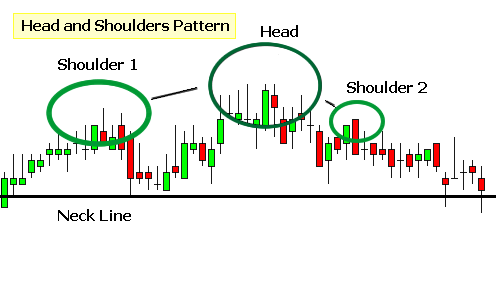
Read as a sequence it describes a trend losing its legs. The first push makes a new high. The second makes a higher one — the trend is intact. The third cannot get there. That failure to make a higher high, immediately after one was just made, is the substance of the pattern; the shape is only how it looks.
The Neckline Break
Nothing is confirmed until price closes below the neckline. A right shoulder on its own is just a pullback, and plenty of them resume upward. The neckline break is the point at which the higher-low structure that defined the uptrend is finally gone.
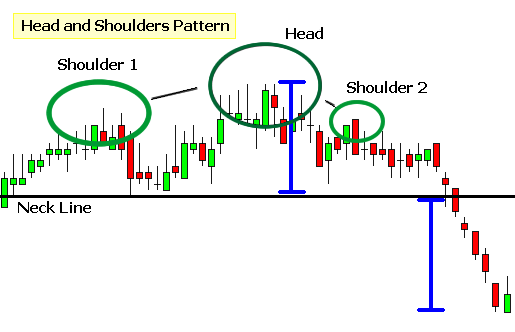
Volume usually tells the story ahead of price: heaviest on the left shoulder and head, noticeably lighter on the right shoulder. That thinning is participation draining out of the move. Necklines are frequently retested from below afterwards, and on illiquid stocks that retest can be violent enough to look like a full recovery before the decline resumes.
What to Watch For
- High, higher high, lower high — a trend failing to extend.
- Nothing is confirmed until price closes below the neckline.
- Volume should thin noticeably on the right shoulder.
- Necklines are often retested from below; on illiquid stocks that retest can be violent.
Scans That Use This
Chart Patterns
Trading guides on StockMarketWatch — the same material for large caps, with live data attached.